
Trump Tariffs Move to Longer-Term Footing:
What UK Businesses Need to Know.
UK businesses trading with the United States are facing a familiar tariff landscape, but one that may now prove more enduring. In a recent update, IAPA member Price Bailey highlights the latest developments in US trade policy following the Trump administration's decision to replace temporary global import tariffs with longer-lasting duties under Section 301 of the US Trade Act.
The move follows the expiration of temporary tariffs introduced under Section 122 earlier this year. By shifting the measures to Section 301, the US government has placed the tariffs on a stronger legal foundation, making them less vulnerable to future legal challenges. For UK exporters, the headline tariff rate remains unchanged at 10%, although businesses should now plan on the basis that the levy could remain in place for the foreseeable future.
Price Bailey notes that while the overall tariff position for most UK goods is broadly unchanged, sector-specific arrangements agreed under the UK-US trade agreement, including those affecting automotive and aerospace exports, continue to apply separately.
The firm advises businesses trading with the US to review product classifications, confirm rules of origin, assess exposure to sector-specific measures, and revisit contractual arrangements to understand where tariff liabilities sit. Incorporating the ongoing 10% tariff into long-term cost modelling may also be prudent.

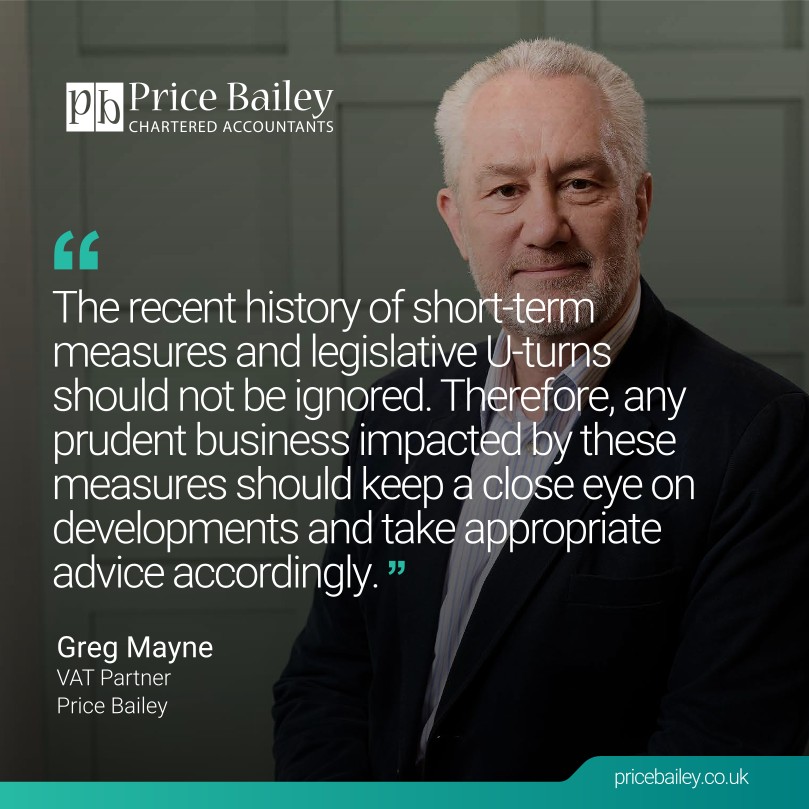
Commenting on the changes, Greg Mayne, VAT Partner at Price Bailey, emphasises that although the latest measures appear to offer greater longevity, the recent pattern of policy shifts and legislative reversals means businesses should continue to monitor developments closely and seek professional advice where necessary.
For businesses involved in international trade, the update serves as a reminder that tariff policy remains a key consideration in cross-border operations, supply chain planning and pricing strategies.
Read the full article from Price Bailey for a detailed analysis of the latest US tariff developments and their implications for UK businesses.